by PIDC
February 24, 2026
Categories: Team Members,
After more than three decades of service, Sam Rhoads, Executive Vice President of PIDC, is retiring on May 15, 2026, closing a 31-year chapter defined by innovation, leadership, and lasting impact on Philadelphia’s economic landscape. Since joining PIDC in 1995, Sam has played a central role in shaping some of the city’s most transformative development projects—helping guide investment into neighborhoods, preserve historic assets, and create meaningful jobs for Philadelphians.
Known for his knowledge of public-private project finance, his optimism, and his unwavering commitment to PIDC’s mission, Sam’s influence extends far beyond any single deal or project. His work helped reinforce PIDC as a national leader in economic development and left an imprint on the city that will be felt for generations. As he prepares for retirement, we sat down with Sam to reflect on his career, the projects he’s most proud of, and what comes next.
Q: How long have you been at PIDC?
A: I’ve been at PIDC for 31 years. I started after New Year’s on January 3, 1995. One of the great pleasures of being at PIDC for this long is seeing individuals, including myself, grow into their roles, gain confidence, and become leaders in their own right. At the same time, I’ve watched PIDC evolve alongside them, adapting to new challenges while staying true to its mission. Being part of that kind of growth that is intrinsically linked to the city’s health has been one of the most rewarding parts of my career.
Q: What initially drew you to this work and to PIDC?
A: Like most things in my life, I came to this work a bit backward. I wasn’t one of those people who always knew what they wanted to do. After college, I taught junior high math in California. I still believe there’s no higher calling than teaching the next generation—but I also realized I wasn’t a very good teacher.
I moved back to Philadelphia, where I’m originally from, and found myself drawn to urban renewal and planning. Growing up in the 1970s, I watched the city struggle as neighborhoods declined and people left for the suburbs and employers were moving jobs to the South and overseas. It always felt to me like we could do better.
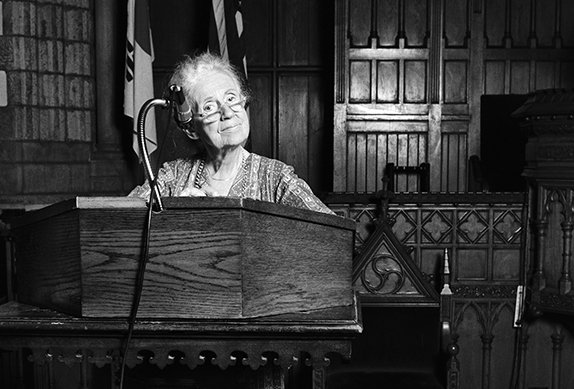
I started networking and eventually interviewed with the Shared Housing Resource Center, a nonprofit focused on affordable housing for low-income seniors founded by Maggie Kuhn. She was well-known in the senior advocacy space as the founder of the Gray Panthers, a national network created to fight age discrimination. Working alongside her was inspiring. She believed deeply in intergenerational support and innovative housing models, from pairing seniors with younger people like students, to renovating vacant houses so low-income seniors could share a home.
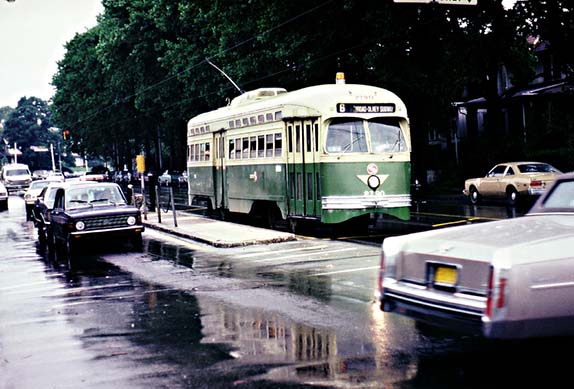
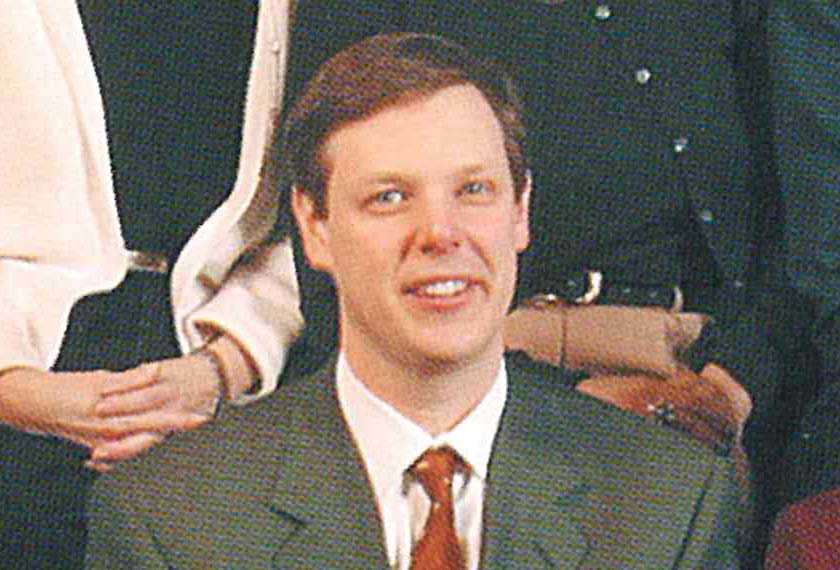
Through that experience, I caught the bug. I loved the technical side of the work—figuring out financing, working with foundations and the City, and making projects operate successfully—but just as much, I loved working with grassroots organizations and neighborhoods across the city. That was when I realized how meaningful well-structured development could be, and it set me on the path that led me to PIDC.
After years in the low-income housing world, I realized I wanted to move from housing into economic development and job creation. The best place I could make that happen was at PIDC, so I went back to school. I earned a master’s degree in public policy and also completed a year of law school at Temple University. During that time, I interned at PIDC in the summer of 1992, working for free with a stipend from my graduate program.
After graduating in 1993, I took a position with the New Jersey Economic Development Authority, which gave me valuable experience and perspective. When an opening came up at PIDC, I jumped at the chance to return, this time as a full time member. I joined the lending team, working on special project finance, at a sensitive moment when the city was on the brink of bankruptcy and Mayor Ed Rendell was focused on economic development as a way to pull Philadelphia back. It was an intense and exciting time to be doing this work.
Q: Looking back, what projects or accomplishments are you most proud of?
A: PIDC has long had a national reputation as an innovator in economic development, and I was fortunate to come in at a time when there was real openness to trying new tools. Early on, I worked on bringing Tax Increment Financing (TIF) and the U.S. Department of Housing and Urban Development Section 108 Loan Guarantee Program (Section 108) to Philadelphia—programs the City hadn’t used before. I happened to be in the right place at the right time, and I took it upon myself to really learn how these programs worked. We completed the first TIF in Philadelphia and went on to become one of the most significant users of Section 108 in the country, applying it in innovative ways for community projects in a way that no one had really done before. I’m proud of that work, especially when I started getting calls from cities across the country asking how we did it.
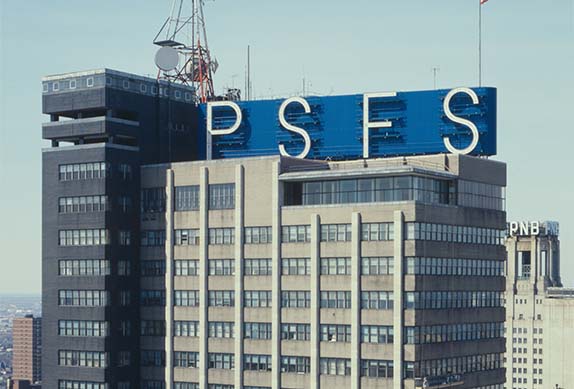
I came to PIDC with a lot of enthusiasm for how to promote investment in our lowest-income neighborhoods, and that’s still what motivates me. Over time, my work shifted toward larger projects—the big job creators that could move the needle citywide. Projects like the Loews Philadelphia Hotel (formerly the PSFS Building), Reading Terminal Headhouse, and One East Penn Square were vacant or significantly underutilized when I started. The Pennsylvania Convention Center had just opened, and the city urgently needed hotel rooms to support a growing tourism, convention, and hospitality industry. Using TIF’s, Section 108 and federal Historic Tax Credits, we were able to finance the conversion of these historic buildings into hotels, saving important structures and helping kick off the resurgence of Center City.
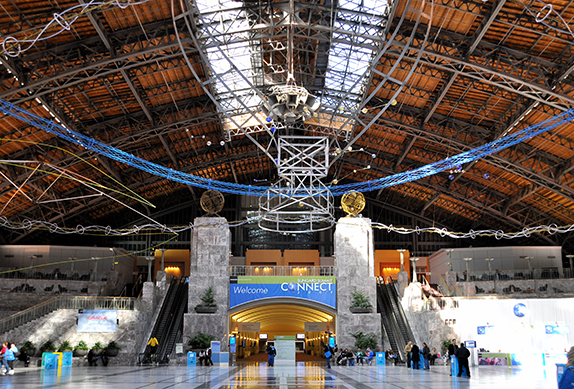
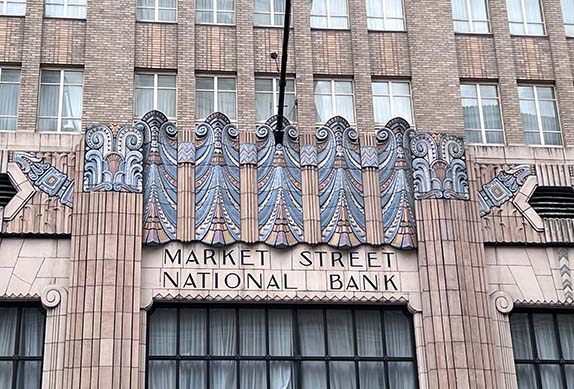
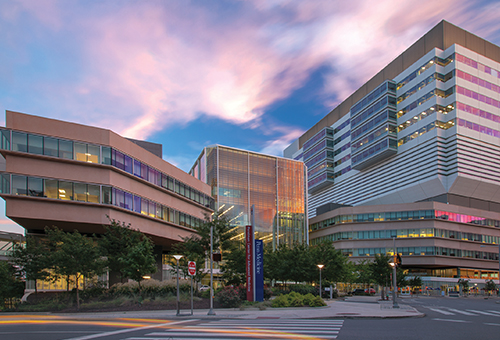
One of the most significant projects I worked on was the healthcare complex anchored by Penn Medicine and the Children’s Hospital of Philadelphia (CHOP). The University City site had been the old Civic Center and sat vacant after it moved. We master planned the area with the City and transferred the parcels to Penn and CHOP. The impact of that work can’t be overstated, the jobs created there fueled growth in the City’s neighborhoods and helped cement Philadelphia’s role as a global leader in health and life sciences.
Another project I’m especially proud of is the redevelopment at Second and Girard, where the former Schmidt’s Brewery sat vacant, unsafe, and largely forgotten. We worked with Bart Blatstein, who was bold enough to take it on, and helped structure the financing. That project helped jump-start development in Northern Liberties and pushed growth into Fishtown and Kensington. We were also involved early on with restaurant and commercial development in the area, none of which would have happened without PIDC’s financing leading the way.
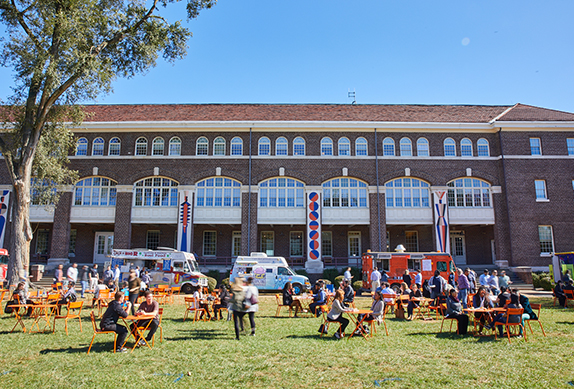
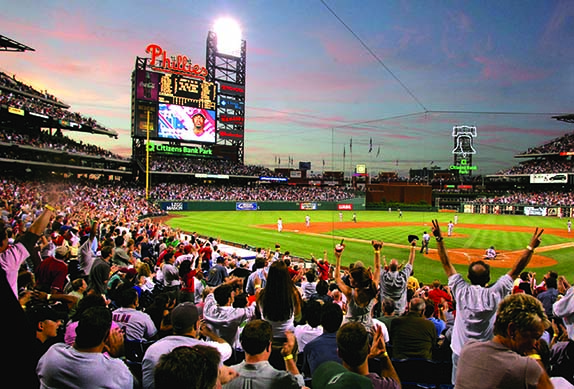
I’ve also played more of a behind-the-scenes role in financing projects like the Navy Yard and the city’s sports stadiums, though the success of those efforts belongs to many others. At the end of the day, my work was always about closing gaps and building pathways to economic mobility, and we worked to do that by structuring financing in a way that created jobs, expanded opportunity, and made Philadelphia a better city for all. That’s why we call PIDC a mission-driven lender.
Q: What’s something you’ve learned during your career that you wish you’d known earlier?
A: Dive in with both feet. Read everything, even if it’s thousands of pages, do all the math, and ask every question you can think of. Early in my career, I spent a lot of time investing in understanding the work, and over time, people started coming to me with their questions. That only happens by putting in the work over a long period of time.
The biggest mistake I see early- and mid-career professionals make is thinking they already know it all. This work demands a constant learning mindset. You have to invest your time, imagination, and energy, and have real confidence in PIDC’s mission while staying open to the many different ways we can achieve it. Big projects and small projects are all connected, and they require partnership and collaboration from many people involved. And the challenges we’re trying to address, from job creation to poverty and opportunity, are all interconnected.
I never focused on titles or advancement. I said yes to the work, did the best job I could, and trusted that things would work out. Optimism matters in this field. We’re trying to use the tools we have to create better futures.
Q: What are you most looking forward to in retirement?
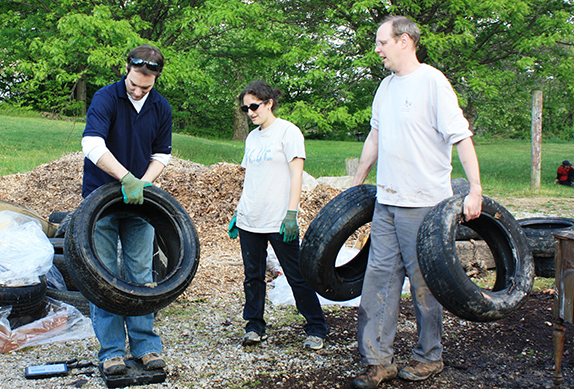
A: I’m really looking forward to returning to myself—spending more time with friends and family, reading, exercising, and finally learning a new language or instrument. I also have a trip to Egypt planned with my daughter. And this may be somewhat unexpected, but I’m also very serious about helping clean up our neighborhoods and picking up trash.
I love Philadelphia’s parks and green spaces, and I care deeply about keeping them clean and welcoming, maybe on my own, maybe in a more organized way. It sounds small, but it matters. Clean, well-kept public spaces shape how Philadelphians feel about their city and how we present ourselves to visitors. After working hard for more than three decades, it feels good to slow down, enjoy life, and give back in a way that’s simple and meaningful.
Q: How do you hope people remember your work at PIDC?
A: I care less about being remembered personally than about PIDC’s mission. I hope people see PIDC as an institution that retains and grows meaningful employment, promotes investment in neighborhoods that need it, and makes Philadelphia a wonderful place. PIDC is a creative problem solver and will last over generations.
Real Impact Across Philadelphia
Discover how PIDC is driving growth and supporting businesses across the city.
From the Blog
Catch up on the latest news, insights and stories from PIDC’s blog.
March 24, 2026
Submitting an RFP Soon? Read This First to Get Started
As a contractor, Requests for Proposals (RFP’s) can feel intimidating. You need to review lots of documents, meet tight deadlines, and deliver excellent service. But they also lead to big opportunities once you land the contract! RFP’s are important for both the contractor and organization, and you want to make sure that you are paying
Read MoreMarch 23, 2026
A New Beginning for Philadelphia’s Homeless Youth Starts at Covenant House
What was once a vacant building on Germantown Avenue will soon provide safe, stable housing for young people experiencing homelessness—meeting a critical need in Philadelphia. Through New Markets Tax Credit (NMTC) financing, PIDC partnered with Covenant House Pennsylvania (CHPA) to help transform the 13,230-square-foot, three-story property into 12 units of transitional housing for youth ages
Read MoreFebruary 26, 2026
Making the Most of America 250: A Guide for Philly Businesses
As Philadelphia prepares to host festivities for the 250th Anniversary of the founding of the United States in 2026, local businesses have a once‑in‑a‑generation opportunity to tap into increased tourism, major events, and heightened national and global attention. From FIFA World Cup™ matches, the MLB All‑Star Game and NCAA March Madness to citywide celebrations like
Read More